There is a category of printed object that immediately announces itself — the articulated dragon, the vase with obvious spiral layer lines, the thing that exists mainly as a demonstration that printing exists. Some of that is great fun. None of it is what you want when the gift has to stand on its own.
What follows is what actually separates the two.
1. A form that would be hard any other way
The pieces that look best are the ones where printing was the right tool, not a substitute for one.
A form with an internal structure, an undercut, or geometry a mould could not release from is doing something no injection-moulded object could. A floating bonsai planter held up by strands too fine to see is the clearest case — it is not imitating anything, it is a shape that could not exist otherwise.
The opposite — a printed version of something normally made in ceramic or wood — invites a comparison it will lose.
2. Matte, always
Gloss is the single biggest tell. It catches light in a way that reads as plastic, and it flattens whatever texture the designer put in.
Matte reads as stone, plaster, unglazed ceramic or powder-coated metal depending on the colour. It is also more forgiving of fingerprints, which matters on something that will be handled.
3. Weight and scale that match the eye
People judge quality by weight within about half a second of picking something up, and a piece that is lighter than it looks reads as cheap regardless of how well it is made.
Two fixes. Buy pieces with genuine mass in the base — anything designed to be stable already has this. And favour smaller, denser objects over large hollow ones: a small heavy thing feels better than a big light thing, every time.
4. Function, which does most of the work
An object that does something is judged on whether it does it. An object that only sits there is judged on whether it is beautiful, which is a much harder test.
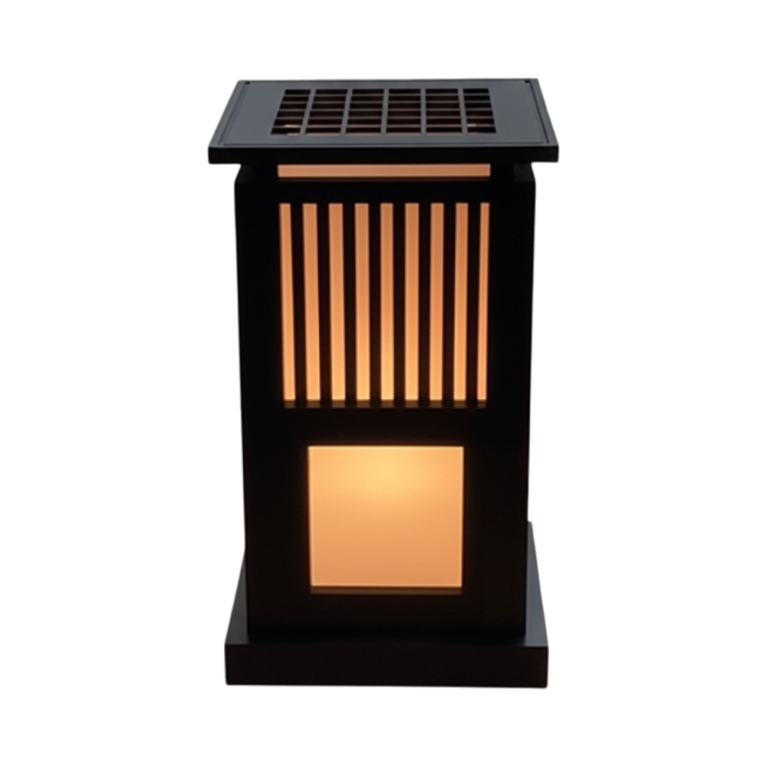
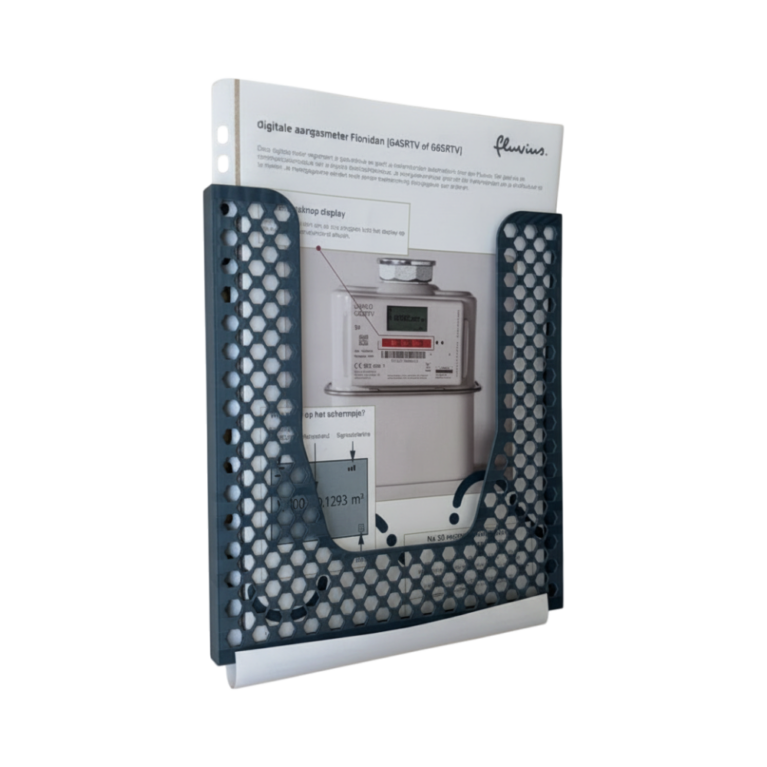
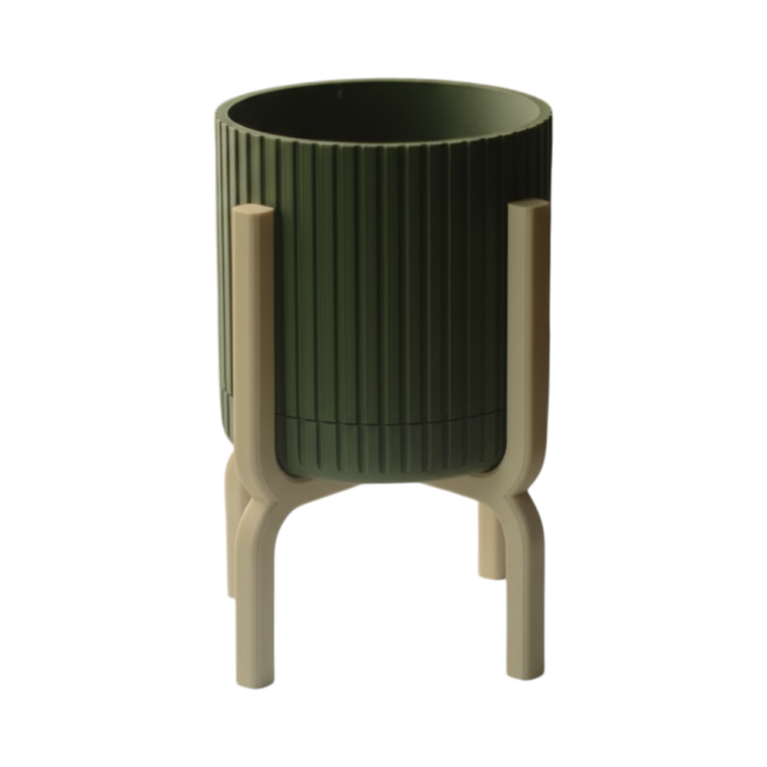
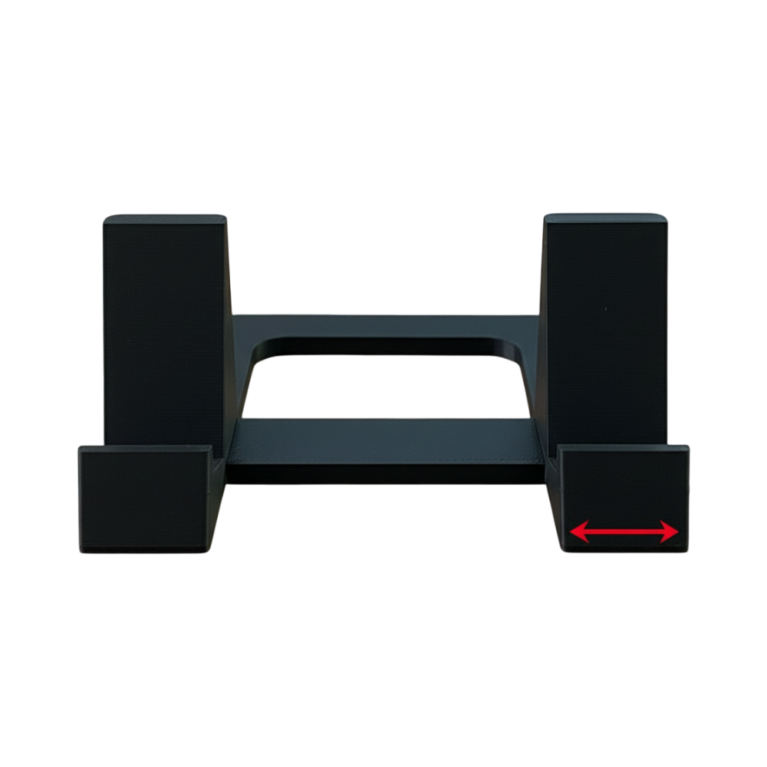
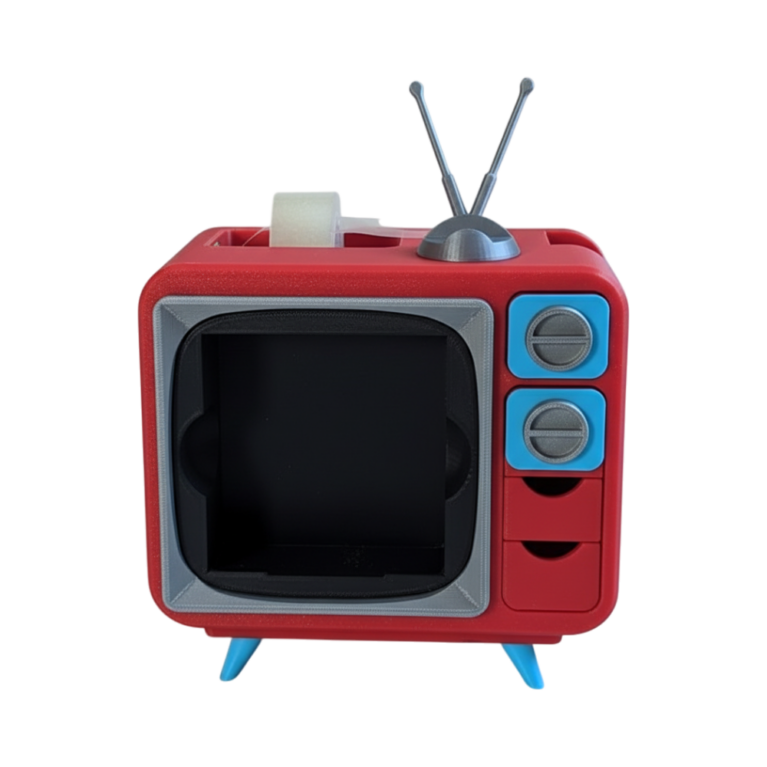
This is why the printed gifts that land best are useful ones: a card holder with a joinery lattice, an EDC tray, a plain vase, a lamp. Nobody receiving those thinks about the manufacturing method. They think about where it goes.
5. Restraint over novelty
A joke is funny once. An object that is only a joke has a shelf life measured in weeks, and the recipient then has to decide what to do with it, which is a small burden disguised as a present.
The exception is when the joke is well made — our cat vase works because the sculpting is good enough that it holds up as an object even if you do not find cats funny. The test is: would this still be worth owning if the joke were removed?
Where personalisation helps and where it hurts
Personalisation that is visible — a name across the front, a date in large letters — usually reduces a gift to a single occasion.
Personalisation that is latent is much stronger. A lithophane is a plain white panel in daylight and a photograph when lit. That is a personal gift that does not look like one until it is doing its job, which is a considerably better trick.
Price brackets that work
- Under $20: coasters in a graded set, a lantern, a small planter. Buy several in matched colours rather than one of each.
- $20–50: a card holder, a tray, a vase, a small sculpture. The bracket where a single well-chosen object is enough.
- $50+: lighting, larger planters, sconces. Pieces with presence, where the size is part of the gift.
The Canadian part, which is worth saying
A gift printed in Canada after the order arrives means no import duty, no surprise brokerage fee at the door, and a few days rather than a few weeks. If you are buying in December, that last part is the whole thing.
It also means colour is a choice rather than what happened to be in stock. If you want something in the recipient’s own colours, ask — it costs nothing extra and it is the detail people notice.
The full catalogue is printed to order in Canada. For more on choosing colours, see our guide to colour.