Almost every houseplant that dies in a nice pot dies for the same three reasons, and none of them is forgetting to water it. It is the pot: no drainage, the wrong size, or standing somewhere the plant cannot cope with. Get those right and a plant becomes very hard to kill.
Drainage is not optional, but the hole is not the only answer
Roots need air as much as they need water. A pot with no hole in the bottom holds every drop you pour in, the soil at the base stays saturated, and within a few weeks the roots down there suffocate and rot. By the time the leaves yellow, the damage is done.
There are two honest ways to deal with this. The first is a real drainage hole and a saucer underneath — plant straight into the pot, water until it runs through, and empty the saucer. Our succulent pot with drainage ships with a matched saucer for exactly this reason.
The second is the one most people should use: keep the plant in the plastic nursery pot it came in, and drop that inside the decorative one. You get proper drainage, you can lift the whole thing out over the sink to water it, and nothing ever sits in a puddle. It also means you can swap the plant without repotting. Most of our planters are sized for a standard nursery pot on purpose.
What does not work is a layer of gravel at the bottom of a sealed pot. It is repeated everywhere and it is wrong — water does not cross from fine soil into coarse gravel until the soil above is completely saturated, so all a gravel layer does is raise the waterlogged zone closer to the roots.
Size: one size up, never three
The instinct when repotting is to go large so you do not have to do it again. It backfires. A small root ball in a big volume of soil cannot drink what that soil holds, so the excess sits wet for days, and you are back to root rot.
The rule is roughly two inches wider in diameter than the current pot for anything under a foot tall, and three to four inches for a floor plant. If a plant is in a 5-inch nursery pot, a 6 or 7-inch planter is right. A 12-inch one is not generosity, it is a slow drowning.
The exception is succulents and cacti, which prefer shallow and wide over deep and narrow — their roots run sideways. A broad, shallow bowl like our succulent bowl suits an arrangement of several plants far better than a deep pot suits one.
Weight, height and where it actually stands
A pot has to hold the plant up. A monstera with four big leaves all leaning toward a window is a lever, and a light pot with a narrow base will go over — usually onto a hardwood floor, usually at night. Look for a wide base and, on anything tall, some real weight low down. Our large monstera planter is drawn around that problem specifically.
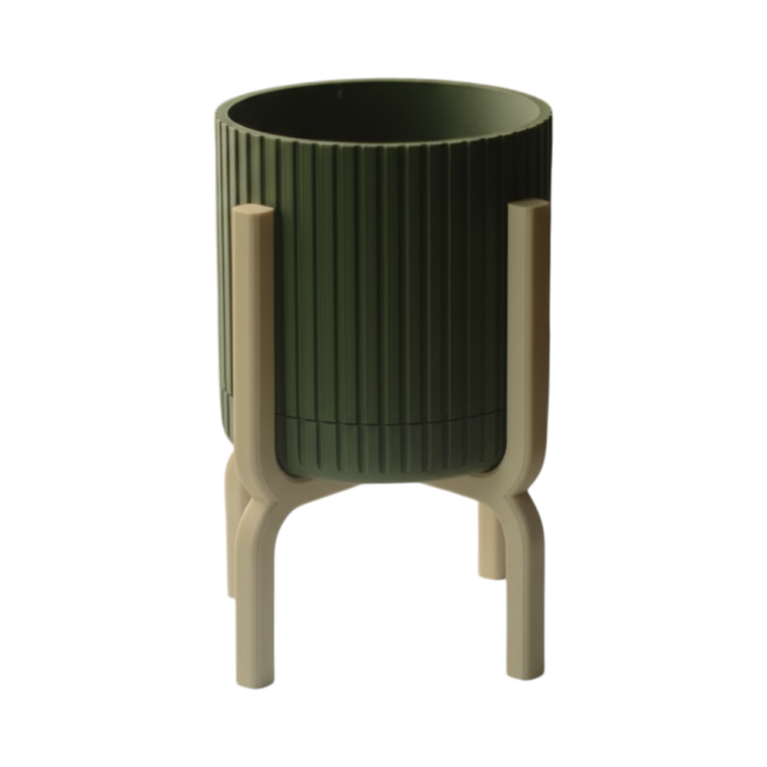
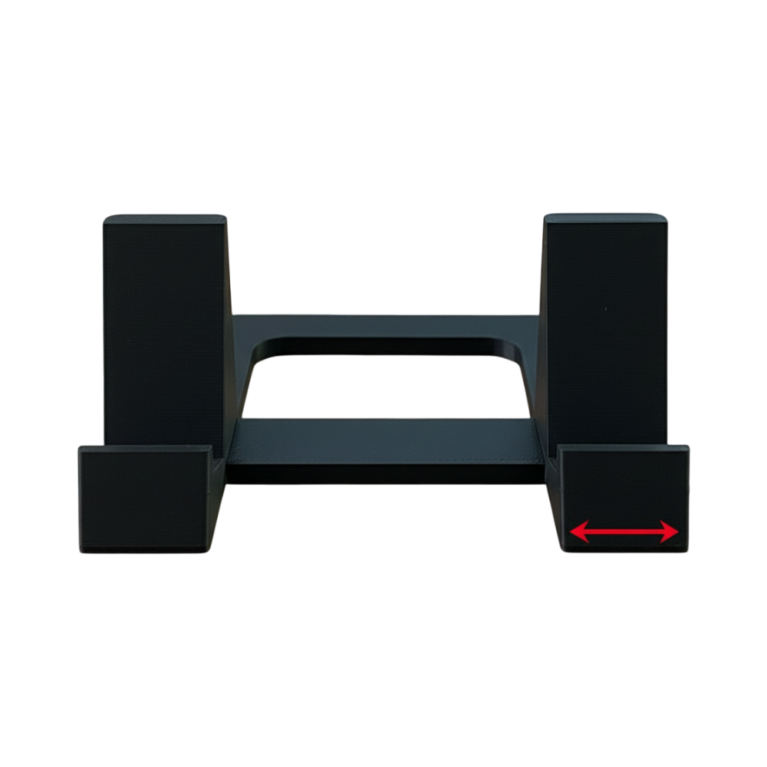
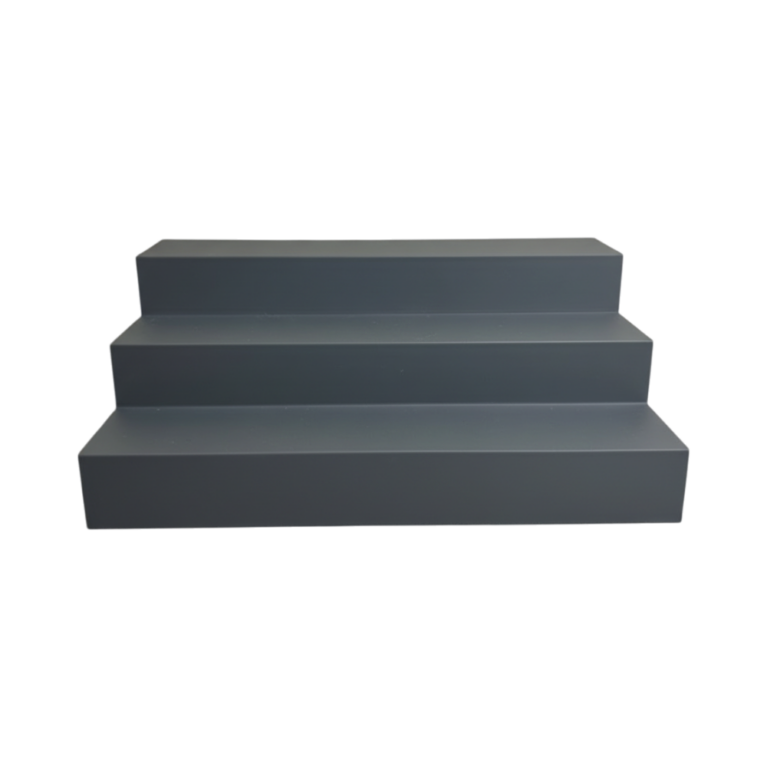
Height matters for a different reason. Lifting a plant off the floor onto a stand does two things: it gets the foliage into better light, and it lets trailing growth fall the way it wants to instead of pooling on the floor. A pedestal stand under an existing pot often improves a plant more than repotting it would.
Light is a property of the spot, not the plant
People buy a plant for a shelf and then wonder why it declines. The honest test is to stand where the pot will go, at midday, and look at the sky — not the window, the sky. If you can see a wide, open patch of it, that is bright light. A sliver, filtered through a building or a tree, is medium. None at all is low, whatever the room feels like to your eyes, which adapt far better than leaves do.
Almost every plant sold as “low light” actually means “tolerates low light and will slowly stop growing in it”. If a spot is genuinely dim, choose a plant that is honestly rated for it, or accept that you will be replacing it.
Material, and why it matters less than you think
Terracotta breathes, which means it dries faster — useful for succulents, a nuisance for ferns. Glazed ceramic and printed planters hold moisture longer. Neither is better; they just change how often you water. What matters more is that the pot is not so heavy you never move it, and not so light it tips.
Printed planters sit in a useful middle: solid enough to be stable, light enough to move, and available in colours ceramic simply is not. If you want the full range, the planters and pots category has the current catalogue, all printed to order in Canada.
A short checklist
- Drainage hole with a saucer, or a nursery pot dropped inside a sealed one. Never a sealed pot planted directly.
- Two inches wider than the current pot, not six.
- Shallow and wide for succulents and cacti; deeper for anything with a taproot.
- Wide, weighted base for anything that will grow top-heavy.
- Judge the light by how much open sky you can see from where the pot will stand.
Do those five things and the plant is mostly your problem, not the pot’s — which is where it should be.