“Self-watering” is a bad name for a good idea. Nothing waters itself. What these pots do is hold a reservoir of water below the soil and let the plant draw from it at the rate the soil will take, instead of receiving everything at once and then nothing for ten days.
What is actually happening in there
There are two chambers. The plant and its soil sit in the top; the water sits in the bottom. Between them is a wick — sometimes a fabric rope, sometimes a shaped column of soil reaching down into the reservoir. Water moves up through that wick by capillary action, the same force that pulls coffee up a paper towel.
The rate is not constant, and that is the clever part. Dry soil pulls hard; wet soil pulls barely at all. So the system delivers fast when the plant has drunk its fill and slows to almost nothing when the soil is already damp. It is a passive feedback loop with no moving parts.
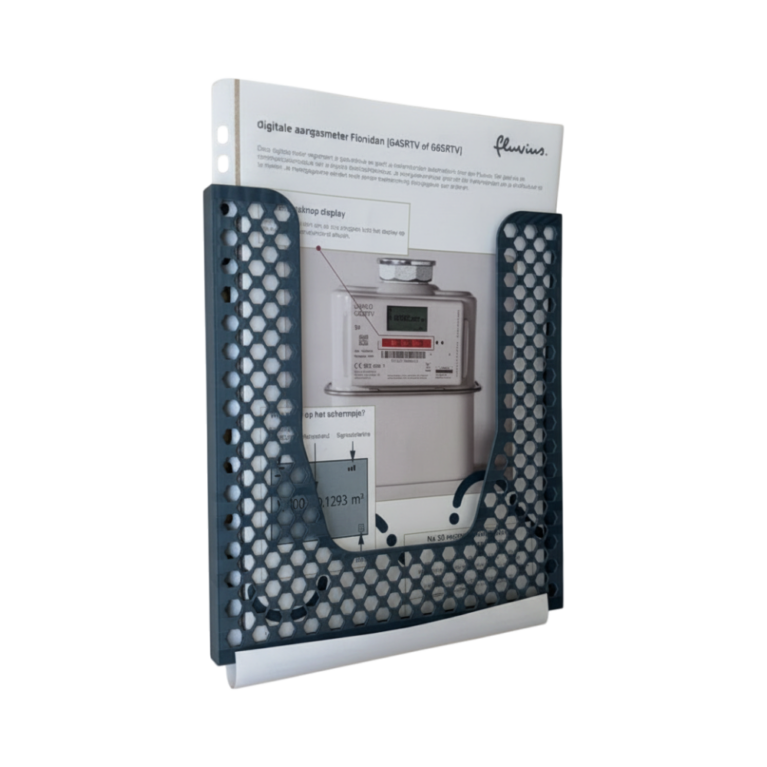
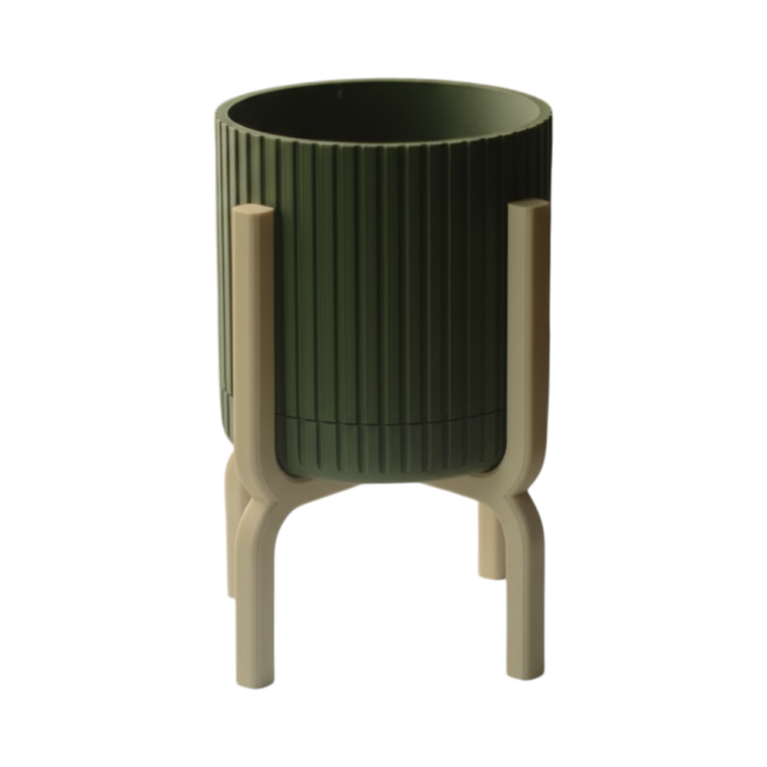
A fill port on the outside lets you top up the reservoir without disturbing the plant, and a level indicator tells you when it is empty. Our self-watering succulent planter uses this arrangement, and the HexaRain slow-drip planter applies the same idea to a wall arrangement.
What it is genuinely good for
Anything that likes consistent moisture and resents drought: peace lilies, ferns, calatheas, most herbs, African violets. These are the plants that sulk when you go away for a week, and a reservoir smooths out exactly that.
It is also good for the practical case where nobody owns the watering. An office plant, a desk plant in a shared space, a pot at a cottage you visit fortnightly. The reservoir turns “someone has to remember” into “someone has to top it up when the indicator drops”.
Where it goes wrong
Succulents and cacti want to dry out completely between waterings. That dry spell is not neglect, it is part of the cycle — it is when the roots take in air and when the plant firms up. Keep a succulent permanently damp and it will grow soft, etiolated and eventually rot from the base, all while looking fine for the first month.
You can still use a self-watering pot for succulents, and ours is designed for it, but you have to run it differently: fill the reservoir, let it run dry, and then leave it dry for a few days before refilling. That gives the plant the drought it is expecting, on a schedule, which is more reliable than doing it by feel.
The other failure is a plant that has not rooted deeply enough to reach the wick zone. A freshly potted cutting sits near the surface and can dry out while the reservoir below is full. Water from the top for the first few weeks after planting, then switch to the reservoir once roots are established.
Things nobody mentions
Reservoirs go stagnant if you let them sit part-full for months. Empty and rinse it a couple of times a year, especially if you fertilise through the water — mineral salts build up and the wick eventually clogs.
Fertiliser, incidentally, should be at about half the strength you would use for top watering. The plant is drinking continuously rather than getting a flush of clean water between feeds, so nothing gets rinsed through.
And in winter, most houseplants slow down. The reservoir will last much longer than it does in July, and that is normal — top up when the indicator says so, not on a calendar.
Is it worth it?
For a plant you already struggle to water consistently, yes, straightforwardly. For a plant that is thriving under your existing routine, it changes little. The people who get the most out of them are the ones who travel, the ones with too many plants to keep track of, and the ones who water enthusiastically and then forget for three weeks — which, going by what we are asked for, is most of us.
The full planter range includes both self-watering and conventional designs, printed to order in Canada in whatever colour suits the room.