A single succulent in a pot is a small green thing on a shelf. Five of them in one shallow bowl, at different heights and textures, is an object people stop and look at. The difference is not skill, it is four decisions made before anything goes in the soil.
Start with a shallow, wide bowl
Succulent roots run sideways, not down. A deep pot gives them volume they cannot use, and that unused soil stays wet — which is how arrangements rot from the bottom while looking perfect on top.
What you want is broad and shallow, with a low rim so trailing varieties can spill over the edge instead of being contained by it. Our succulent bowl is drawn to that shape, and the version with drainage comes with a matched saucer if you would rather plant directly rather than using nursery pots.
The mix is gritty, and it is not optional
Standard potting soil holds too much water for too long. What succulents want is something like half potting mix and half coarse grit — pumice, perlite or coarse horticultural sand. It should look wrong to you: too open, too sandy. That is correct.
A good test is to squeeze a damp handful. Standard soil holds its shape in a ball. A good succulent mix crumbles apart immediately.
Thriller, filler, spiller — but genuinely
The old planting formula is a cliché because it works. One taller plant with some structure — an echeveria with real height, a small haworthia, a crested piece — as the focal point. Two or three rosettes of different sizes and colours filling the middle. And one trailing variety at the edge: string of pearls, burro’s tail, a trailing sedum.
Place the tall one off-centre. Dead centre reads as a display and looks stiff; a third of the way in reads as a landscape. Then work outward, and let the trailing plant sit right at the rim where it can fall over the edge within a few weeks.
Spacing: closer than you think, but not touching
Succulents in an arrangement are planted much more tightly than they would be in individual pots — around an inch between rosettes, sometimes less. Tight planting is what makes an arrangement read as one thing rather than several plants sharing a bowl.
What you must avoid is leaves touching leaves. Where two fleshy leaves press together, air does not move, moisture stays, and that is exactly where rot starts. An inch of air between plants is enough, and they will close the gap as they grow.
Light, and the word “etiolated”
Succulents want more light than almost anyone gives them. In a bright south-facing window they stay compact and keep their colour. In a dim corner they stretch — the stem elongates, the rosette opens out, the spacing between leaves widens, and the colour fades to pale green. That is etiolation, and it does not reverse. You can behead and re-root the plant, but you cannot make a stretched stem short again.
Canadian winters are the hard part. From November to February, even a bright window gives a fraction of summer light, and most arrangements stretch a little. It is not a disaster. Move it to the brightest spot you have, water less, and it recovers in spring.
Watering an arrangement
Less than you think, and all at once rather than a little often. Wait until the soil is completely dry — several days after it looks dry — then water thoroughly, and if the bowl has no drainage, use markedly less: roughly a quarter of the bowl’s volume, poured at the soil, never over the leaves.
Water sitting in a rosette overnight is the second most common killer after overwatering the soil. If you splash, tip the bowl and let it run out.
What it costs to get wrong
Very little, which is the best argument for trying. Succulents propagate from a single fallen leaf. If one rots, pull it, let the gap dry, and replace it. If the whole thing stretches over a winter, behead the rosettes in spring, let the cuts callus for a few days, and replant them into the same bowl — you will have a tighter arrangement than you started with, for nothing.
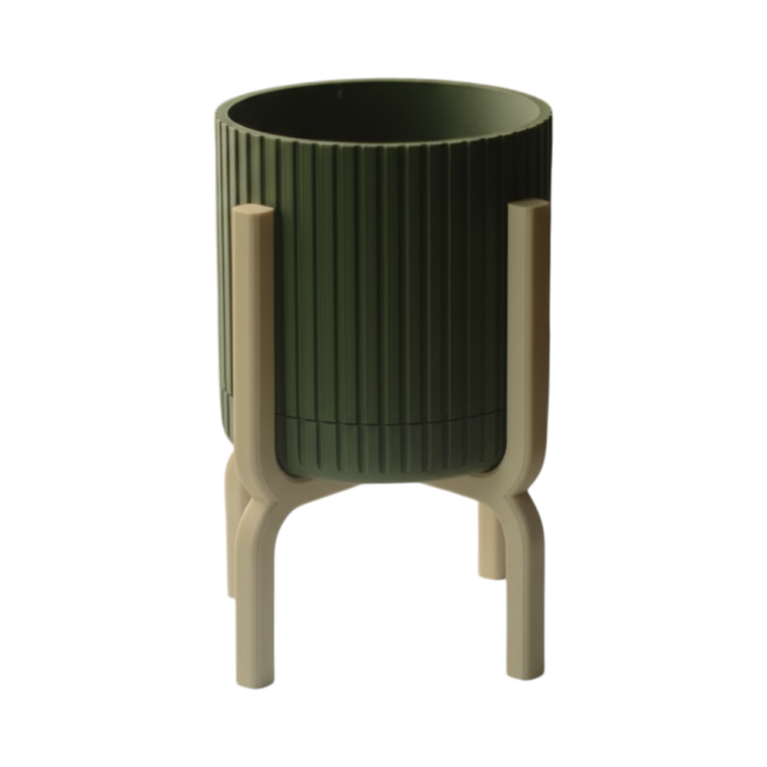
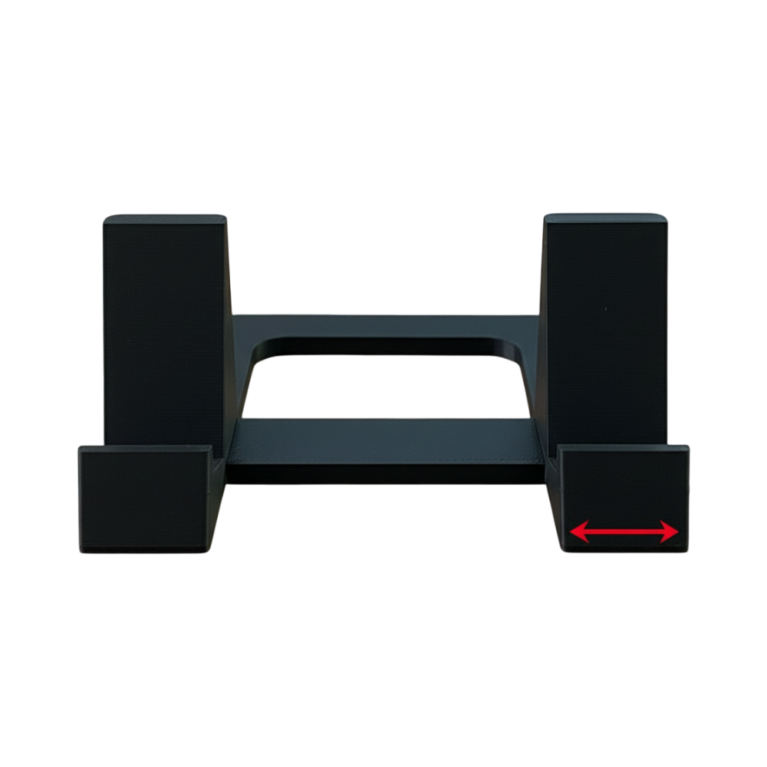
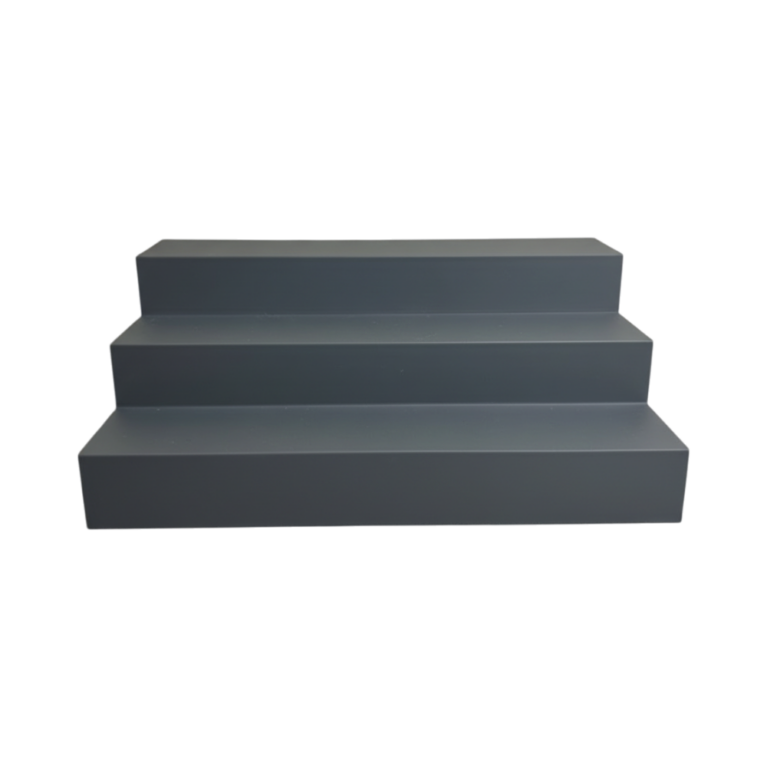
The planters and pots range has bowls, individual pots and stands, all printed to order in Canada. If you want a particular diameter for a windowsill, send the measurement and we will print it to fit.