The paperless office was declared imminent in about 1978 and has been imminent ever since. What actually happened is that the volume dropped and the importance of what remains went up. The paper that still arrives is the paper you cannot ignore: government correspondence, warranties, medical letters, tax documents, a receipt you will need in eleven months.
Which is precisely why it accumulates. It is too important to bin and too infrequent to have a system for.
The one rule
Paper should exist in exactly three states: needs action, waiting on someone else, and keep. Anything that is none of those goes in the recycling immediately, at the door, before it reaches a surface.
That last part is most of the battle. The pile on the kitchen counter is mostly flyers, envelopes and things already dealt with, and it is there because sorting happens later rather than at the point of entry.
Three trays, stacked
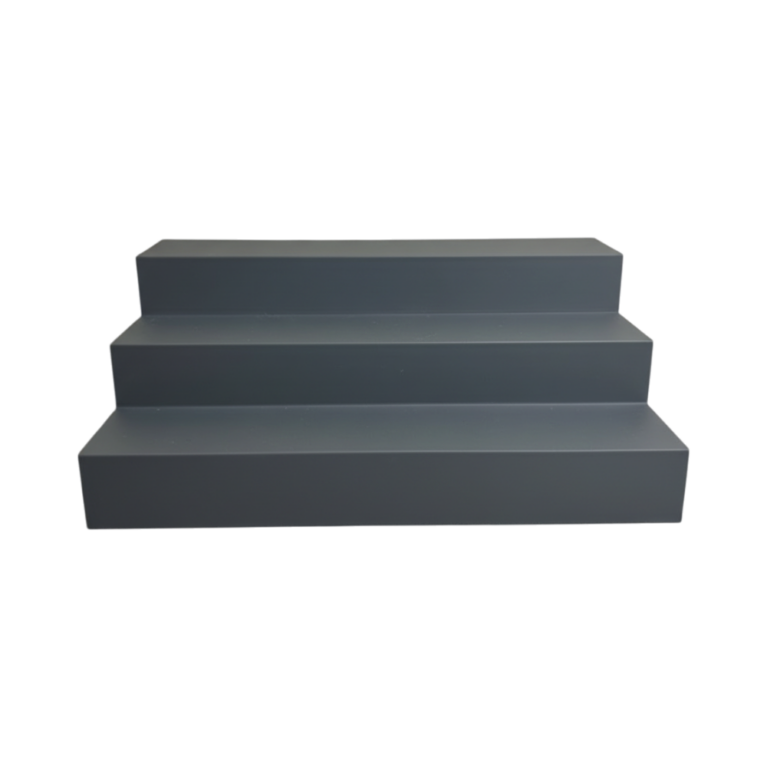
One tray per state, in a column. Incoming at the top where it is easiest to drop into, in-progress in the middle, done-and-to-file at the bottom.
The column matters more than the trays. A single tray becomes a pile with a rim. Three forces a decision at the moment you put the paper down, which is the only moment you will reliably make one.
What to look for in a stacking tray:
- A positive interlock, so the stack sits square and stays square. Cheap moulded trays have a draft angle and lean.
- Full hand clearance between levels. If you have to lift the stack to reach the bottom tray, the bottom tray becomes an archive within a month.
- Sized for letter and A4 without the sheets bowing in the middle.
- An open front so you can read the top sheet without lifting it.
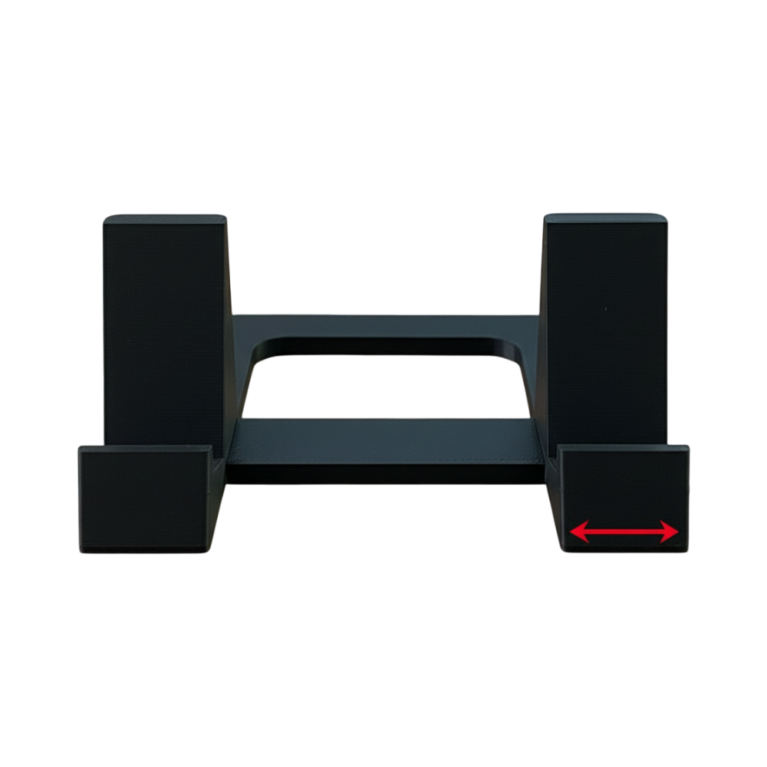
Our stackable letter trays are built around those four points, and the folder-shaped organiser does the same job as a single unit with a low front cut and a tall back.
The wall option, when the desk is small
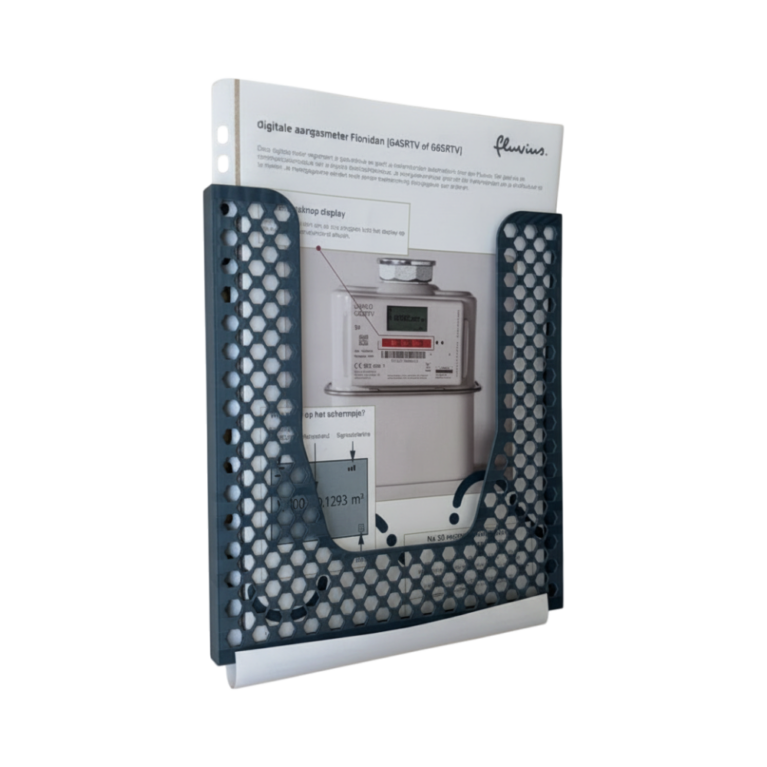
Flat filing eats desk area, which is the one thing a small desk cannot spare. Mounted on the wall beside the desk, the same documents stay visible and in order and occupy no surface at all.
Our wall-mounted A4 holder is sized for letter and A4 with the front cut low so the top sheet is readable at a glance. Three in a vertical column — incoming, in progress, filed — turns a foot of blank wall into the filing system the desk never had room for.
This is also the right answer in a workshop or a kitchen, where the surface is needed for something else and the paper is job sheets or school letters.
What to keep, and for how long
Worth knowing so the “keep” tray does not become infinite. Broadly, in Canada: tax records and supporting documents are generally recommended to be kept six years from the end of the tax year they relate to; warranties for the length of the warranty plus a margin; property and major purchase records for as long as you own the thing.
Utility bills, bank statements and receipts for small items rarely need to exist on paper at all once you have confirmed the payment. Photograph anything you might want and recycle the paper.
This is general guidance rather than advice for your situation — if a document is legally or financially significant, check the specific retention requirement rather than trusting a rule of thumb.
The weekly ten minutes
The system only works with a recurring emptying. Once a week, take the bottom tray, file or scan it, and empty it. Ten minutes.
Without that, three trays become three piles, which is objectively worse than one pile because now the paper is also sorted into categories you cannot see.
Scanning, briefly
Your phone is a good enough scanner for almost everything. One folder, named by year, filenames that start with the date. That is the entire system, and it beats any app because it will still be readable in fifteen years.
Keep the paper original of anything with a signature, a seal or a warranty on it. Everything else can be a photograph.
The desk and tech range is printed to order in Canada, including wall holders sized to a specific run of wall.