Two stalls, same quality of work, same price. One is busy all day and one is not. The difference is almost never the product — it is that people can see the product from six feet away, and at one of the stalls they cannot.
Everything flat is the cardinal sin
A six-foot trestle with goods laid flat reads as a jumble from standing height. The viewer’s sightline is steep, the items overlap, and nothing has a silhouette. You have to be at the table, looking down, for it to make any sense — which means only the people who already stopped can see what you sell.
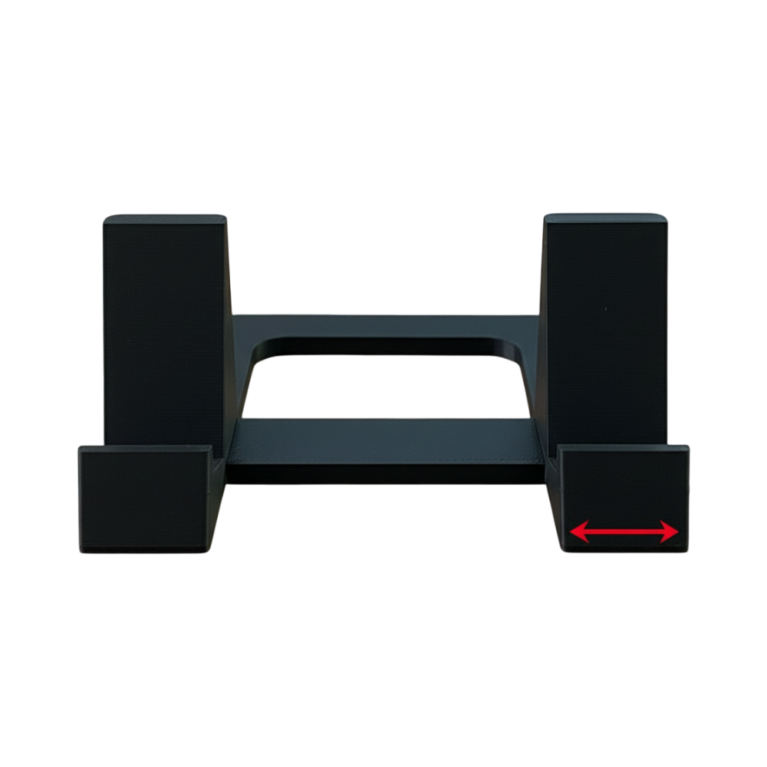
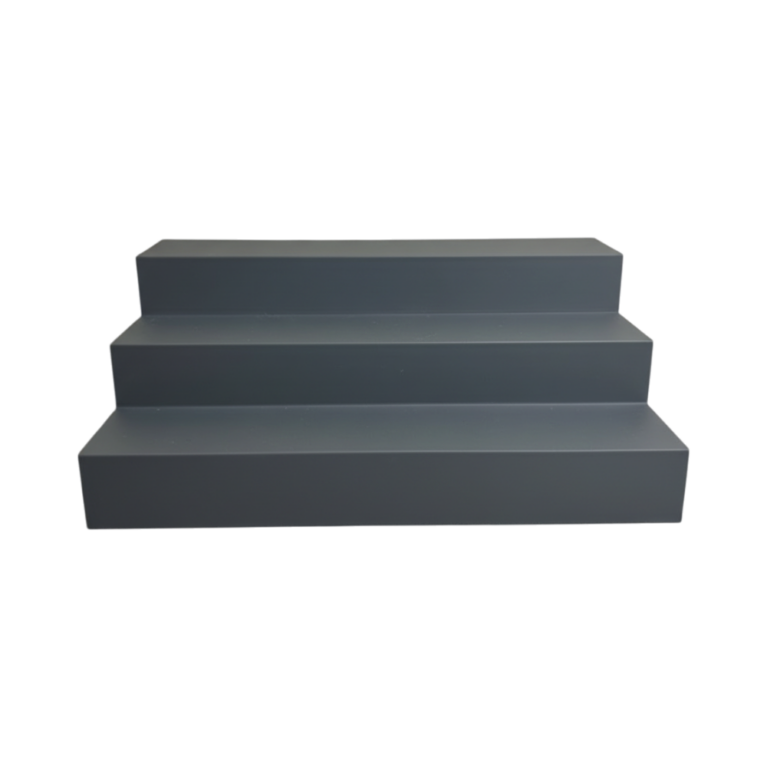
Lift it. Three levels above the table turns the same stock into a range: things at eye level get noticed from a distance, things at table level get picked up. Our craft fair display stand is built for this and breaks down flat to travel in the same box as the stock, which is the practical constraint everybody forgets.
If you buy nothing else, buy height.
Black, every time
There is a reason every jeweller’s tray and every museum plinth is black or very dark. Black recedes. It does not compete with the product for attention, and it makes colours read as more saturated by contrast.
That goes for the tablecloth as much as the risers. A patterned or bright cloth is competing with your work all day. A plain dark cloth that reaches the floor also hides your boxes, which is the other half of looking professional.
Price everything, visibly
The single most common reason someone puts an item down and walks away is not knowing what it costs and not wanting to ask. Asking is a commitment; browsing is not.
Price tags on every item, or clear price cards per group. Round numbers are easier to read from a distance. And if you have a range, say so on a sign — “everything on this shelf $25” does more work than twenty small tags.
Give people one thing to touch
Especially for anything whose quality is tactile — texture, weight, finish. Put out a designated sample, mark it as such, and let people handle it. The alternative is people handling the stock and you flinching, which they notice.
For 3D printed work this matters more than most, because the assumption in the room is that it is flimsy. Handing someone a piece and watching them register the weight does more than any sign.
Light your own table
Church halls, community centres and arena floors — the usual Canadian craft fair venues — are lit by overhead fluorescents at about 4000K, which is unflattering to everything. A small battery LED strip along the underside of your top shelf, warm white, transforms a table for under forty dollars.
If the venue allows mains power, better still. Ask when you book, because it is often free and rarely advertised.
Packing, which is most of the job
You will set up and tear down in a hurry, probably in a cold parking lot. Two rules save a lot of grief.
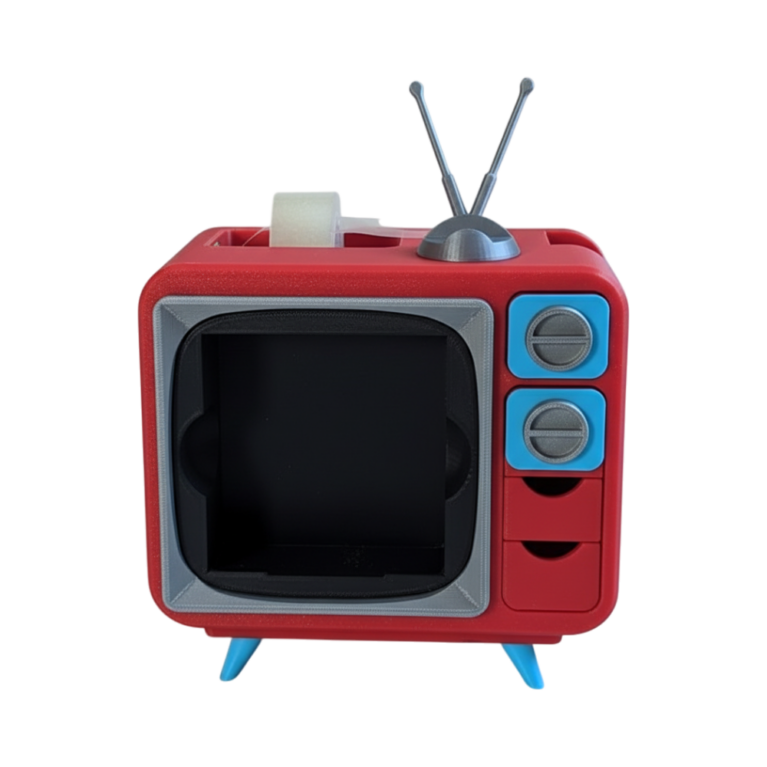
First: everything nests or stacks. Our sales display and storage box is designed around this specifically — it displays open and packs closed, so it is one object rather than a display plus a box to carry the display in.
Second: pack in setup order. Cloth first out, risers second, stock third, signage last. It sounds trivial; it is the difference between twenty minutes and fifty.
Card payments and the wifi problem
Take cards. The proportion of people carrying cash keeps falling, and a stall that is cash-only loses sales it never finds out about. But test your reader on mobile data at the venue, not on the wifi — arena wifi at a busy fair is often unusable, and a reader that cannot connect is worse than no reader because it wastes the customer’s time at the moment of purchase.
Keep a float anyway. Someone will pay cash.
What to do with the quiet hours
Every fair has them. Do not sit behind the table on your phone — it is the most effective way to tell people not to approach. Stand beside the table rather than behind it, tidy, restock, and make eye contact without pouncing. “Let me know if you want to pick anything up” is enough.
The bulk question
If you are reselling rather than making, the maths of made-to-order works differently from wholesale: no minimum order, no stock sitting in a cupboard, and the ability to test a design at a fair before committing to fifty of them. We do this for shops and market traders regularly — the details are on our services page, or just ask.
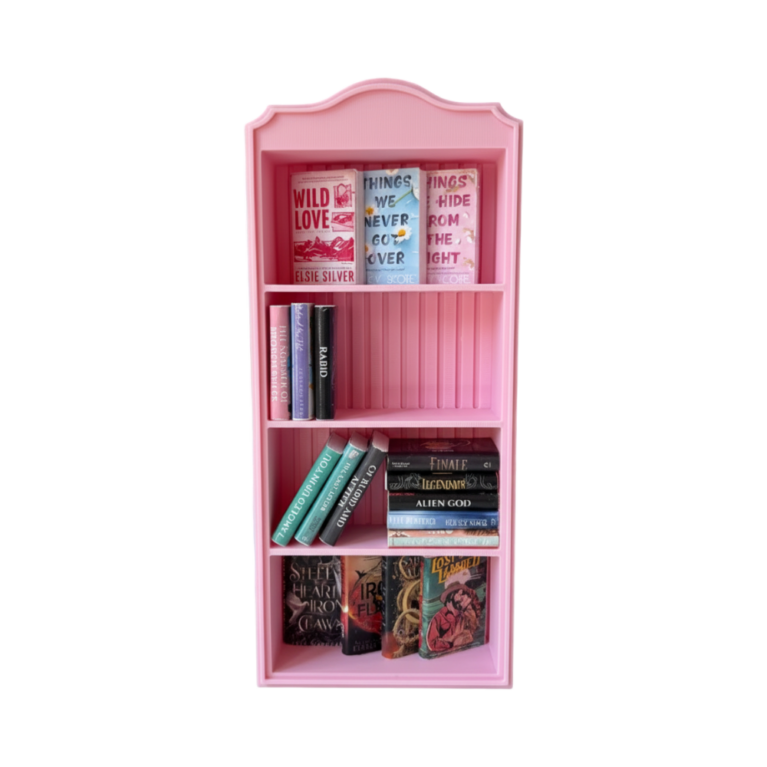
Display pieces themselves are in the shelving and display range, printed to order in Canada, including sized to a specific table.