Shop fixtures are sold in two ways: cheap and generic, or custom with a four-figure minimum. There is a gap in the middle where most independent retailers actually live, and printing fits it neatly.
The sizing problem
Fixture catalogues are built around standard shelf depths. Real shops have a counter that is 38cm deep, a window ledge that slopes, and a cabinet inherited from the previous tenant. A riser that is “close enough” wastes the few centimetres you were trying to use.
Made to measure removes that, and because there is no mould, a bespoke size costs design time rather than a setup fee.
What gets ordered most
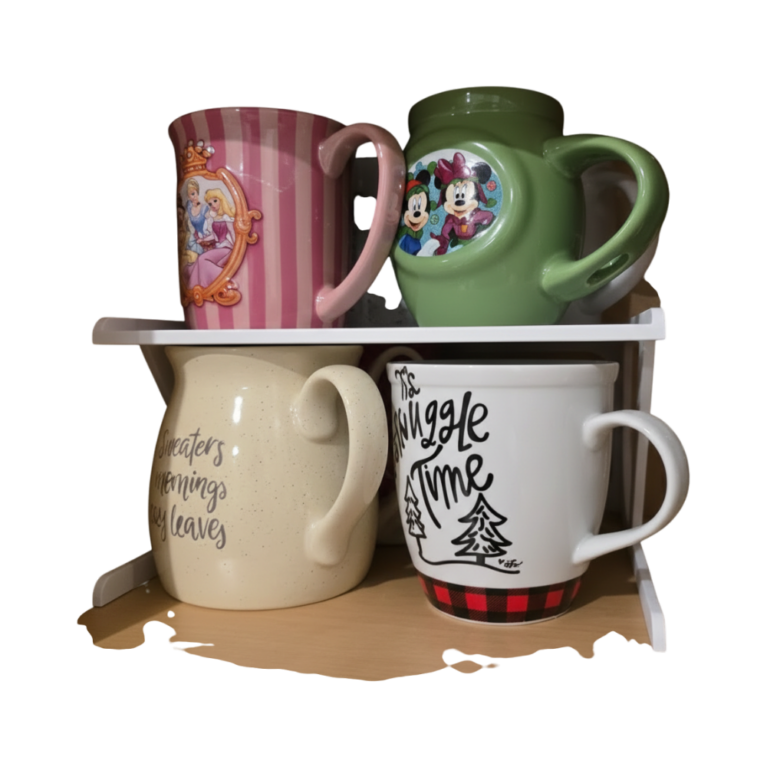
Risers and tiered stands. The highest-return fixture there is – stepping product up means the back row is visible instead of hidden. Two or three tiers, sized to the depth you actually have.
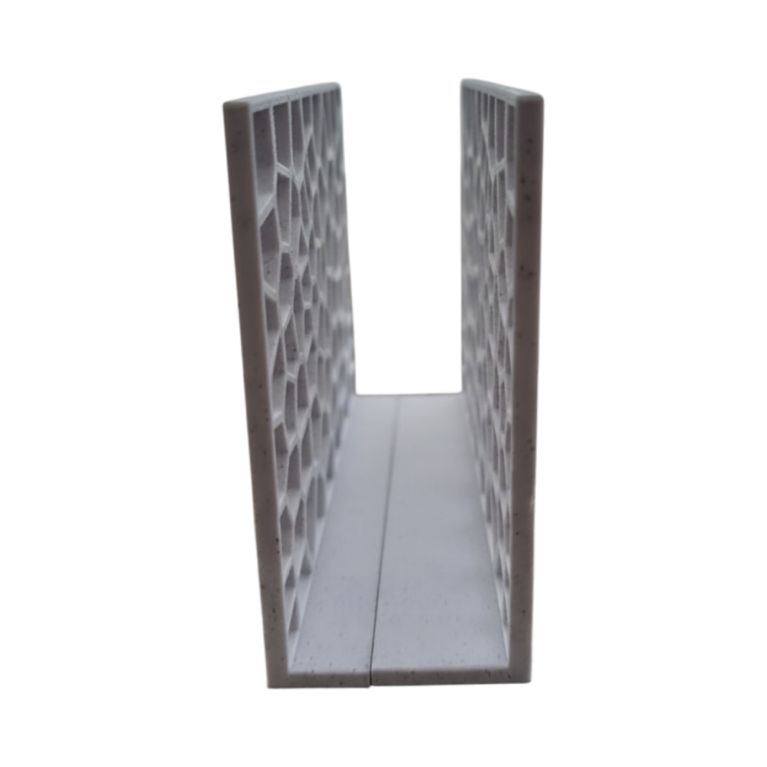
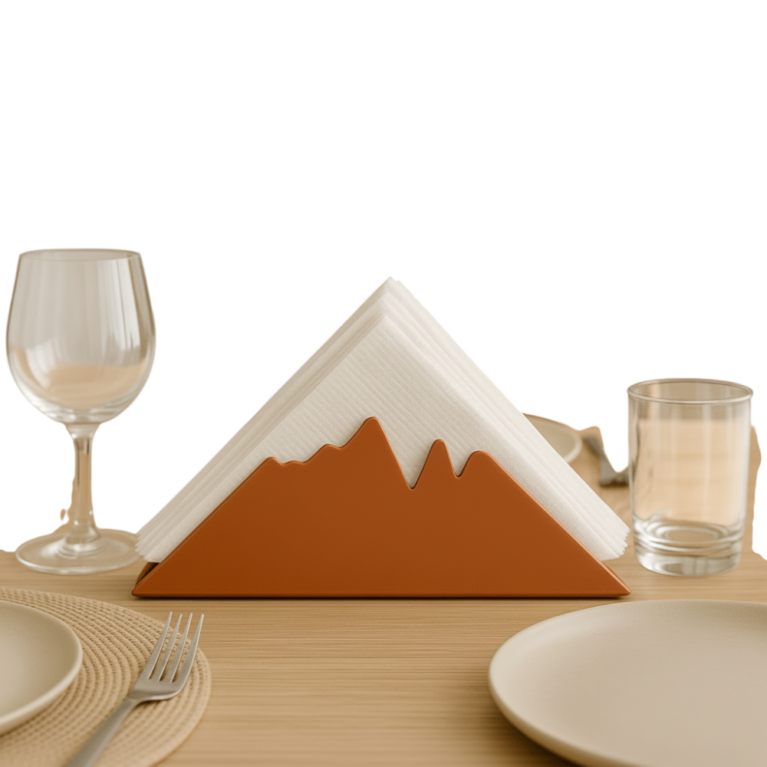
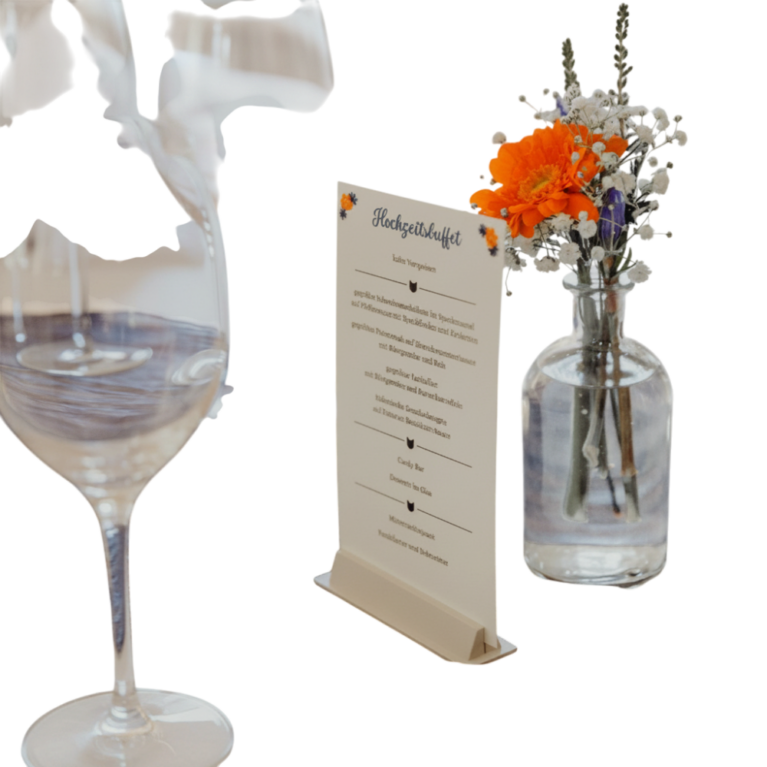
Sign and price card holders. Small, cheap, and the thing that makes a display look finished rather than improvised. Matching holders across a shop floor do more for perceived quality than almost anything else.
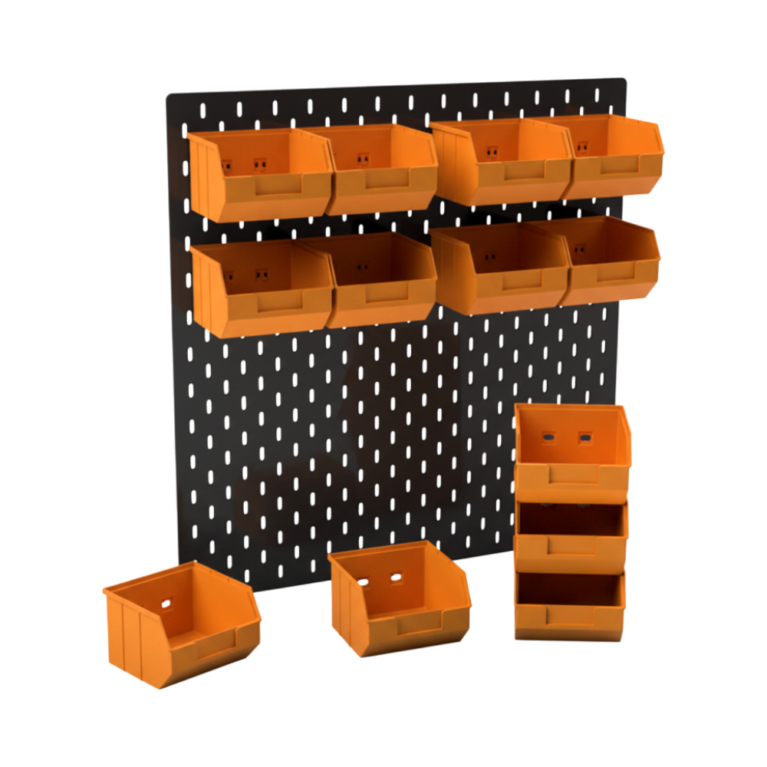
Product-specific cradles. Holders shaped to the thing you sell – a bottle, a jar, a book, a phone case – so it sits at the right angle instead of flat.
Window props. Clear or coloured blocks and stands that hold merchandise off the floor of the window at varied heights.
Why consistency matters and how printing gives it
Fixtures bought separately over two years never quite match. A set printed in one run is identical in colour and finish, which is what makes a shop floor read as designed. If you expect to add more later, tell us and we will note the material and colour so a reorder matches.
Branding
Logos emboss or deboss into most designs. Fine detail and small text is the limit – we will tell you before a run whether your mark will read cleanly at the size you want, rather than delivering forty disappointing ones.
Starting small is the point
Test six of a design on one shelf. If it works, order thirty. If it does not, you have spent very little and learned something. That is not a compromise version of the process – with no tooling to amortise, it is simply how it works. Send dimensions and a photo of the space and we will quote it.
Related: ordering in bulk and printing versus moulding.