If you are bringing a physical product to market, this is the first real decision and it is usually made badly – either by defaulting to a factory quote that requires thousands of units, or by insisting on printing at volumes where it stops making sense.
The core difference is where the cost sits
Injection moulding front-loads everything into tooling. A steel mould can cost anywhere from a few thousand to tens of thousands of dollars, and then each unit is pennies. Printing has no tooling at all, and each unit costs roughly the same as the last. One is a cliff followed by a flat plain; the other is a gentle constant slope.
Where the lines cross
It depends on part size and complexity, but for a typical consumer-sized object the crossover tends to land somewhere in the low thousands of units. Below that, printing is cheaper in total. Above it, moulding wins and keeps winning. Anyone who tells you printing is always cheaper is selling printing.
Lead time is not close
A mould takes weeks to cut and weeks more to sample and correct. A printed part can be in your hand in days. For validating a design before committing capital, that difference is worth more than the unit cost.
Design freedom
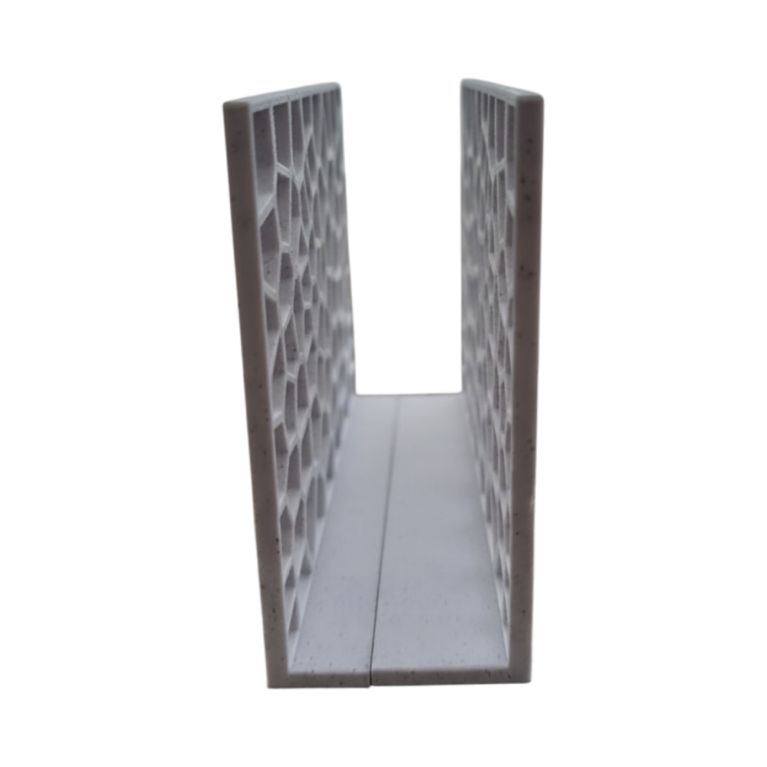
Moulds need draft angles, uniform wall thicknesses and a way for the part to release. Printing does not care – internal channels, undercuts, lattice structures and complex organic shapes all cost the same as a simple box. If your product’s appeal depends on geometry a mould cannot produce, the comparison is over before it starts.
The pragmatic path
Most products we help with follow the same route: print a handful to hold and test, print a small batch to sell and gather feedback, then decide about tooling once you know the design is right and demand is real. The expensive mistake is cutting steel for a design that changes after the first hundred customers see it.
Where we fit
We handle the first two stages, and we will tell you when you have outgrown us. If you are planning a run, have a look at what we do or send us the details – quantity, size, timeline – and we will give you a straight answer, including when the answer is a mould.