Most people who want a custom part have never commissioned one, and assume it is either impossible or expensive enough not to ask. Neither is usually true. The reason custom parts feel out of reach is that conventional manufacturing makes them out of reach — a mould costs thousands before a single unit exists, so no factory will entertain a run of ten.
Made-to-order production does not have that problem. A run of ten and a run of a thousand cost roughly the same per unit. Here is how a commission actually works.
Step 1: describe the problem, not the solution
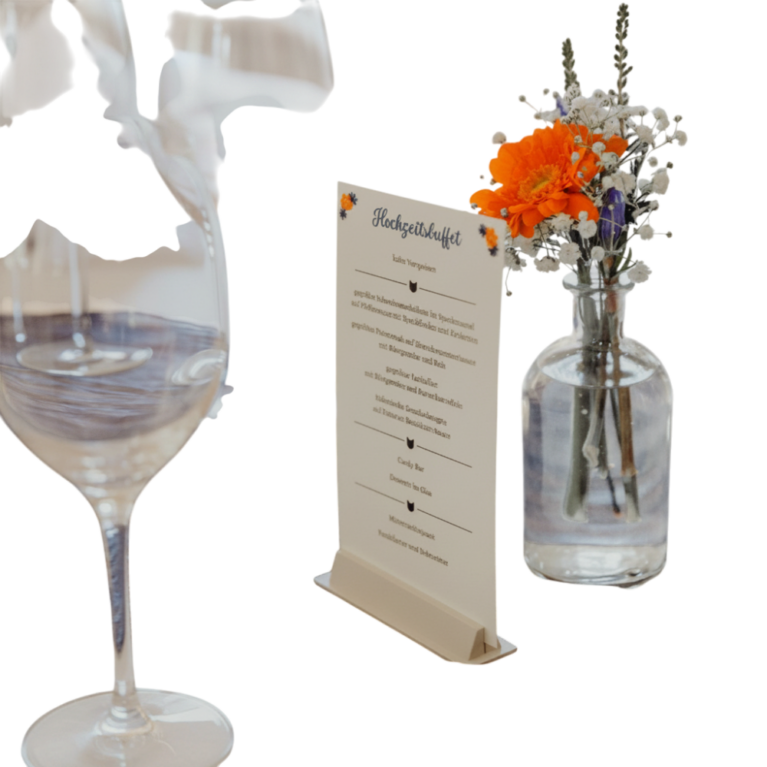
The most useful first message is not a technical drawing. It is a description of what is wrong. “The bracket that holds my shelf snapped and the manufacturer no longer exists.” “I need a tray that fits this exact drawer.” “I want twenty of these as table gifts for a wedding, in this colour.”
Photographs help enormously, especially with a ruler or a coin in frame for scale. If the original part exists in any state, even broken, photograph it from several angles.
Step 2: the three questions we will ask
Where does it live? Indoors, a car, a bathroom, a garden. This decides the material before anything else — see our material guide for why a part destined for a car cannot be made the same way as a shelf ornament.
What does it have to hold or resist? Weight, heat, impact, repeated handling. A piece that holds a phone and a piece that holds a cast-iron pan are different objects even if they look similar.
How many, and how exact? One replacement part has different tolerances from fifty matching items for an event. Both are fine; they are just quoted differently.
Step 3: design and a first article
For anything non-trivial we produce a first article — one physical piece — before committing to a batch. You hold it, try it in place, and tell us what is wrong. This is the step that conventional manufacturing cannot offer at a sane price, and it is where most of the value is.
Changes at this stage are cheap. Changing a mould is not; changing a file is a morning.
Step 4: production
Once the first article is signed off, the batch runs. Each piece is finished and inspected before packing, and the design stays on file. If you need five more next year, or the same part in a different colour, we still have it — which is not true once a mould has been retired.
What makes a good commission
From experience, the projects that go well have one of these shapes:
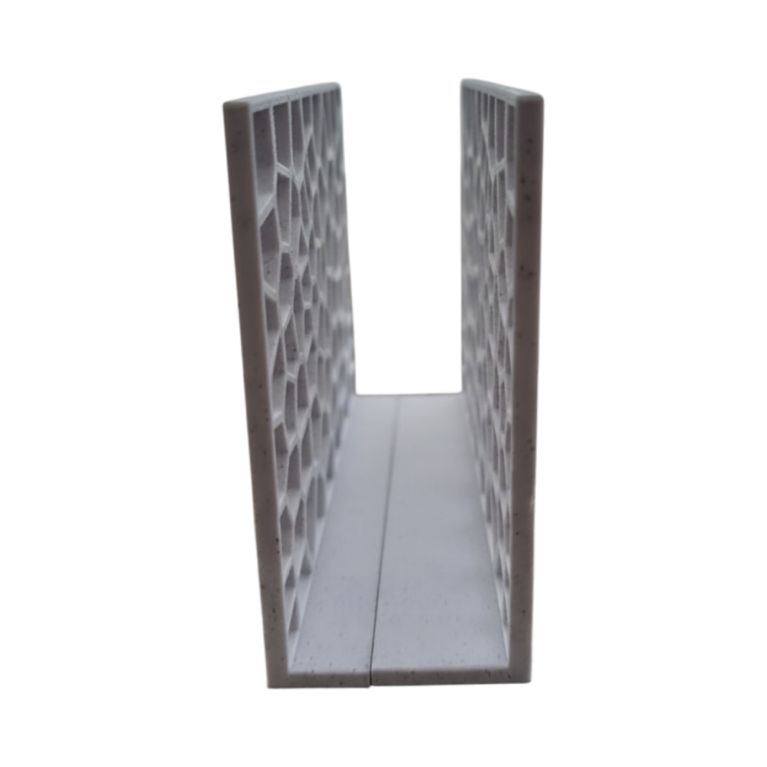
- A replacement for something discontinued. Appliance parts, furniture fittings, clips and brackets whose manufacturer has vanished.
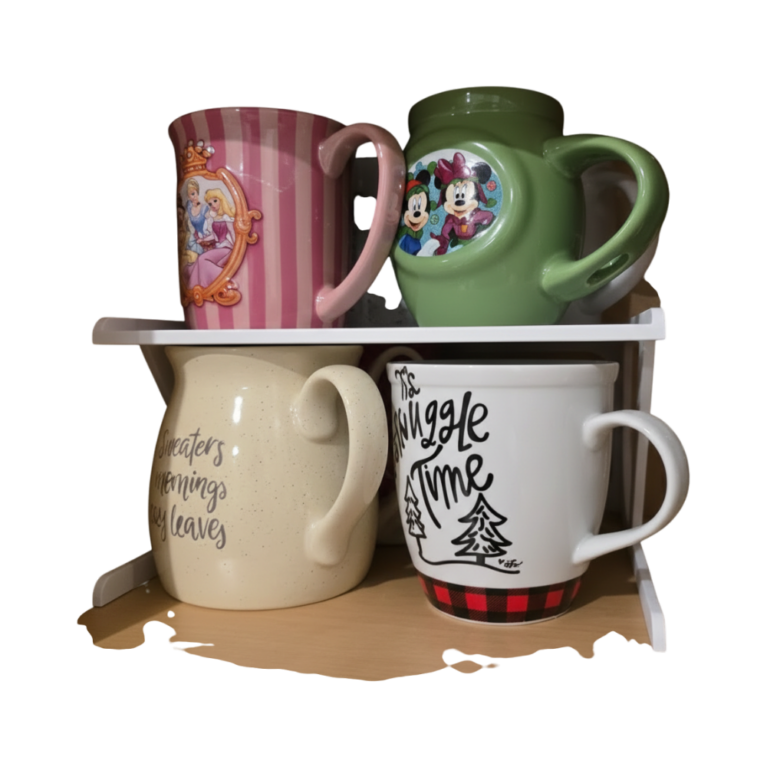
- A fit problem. Something that needs to match an exact drawer, alcove, vehicle, instrument or device.
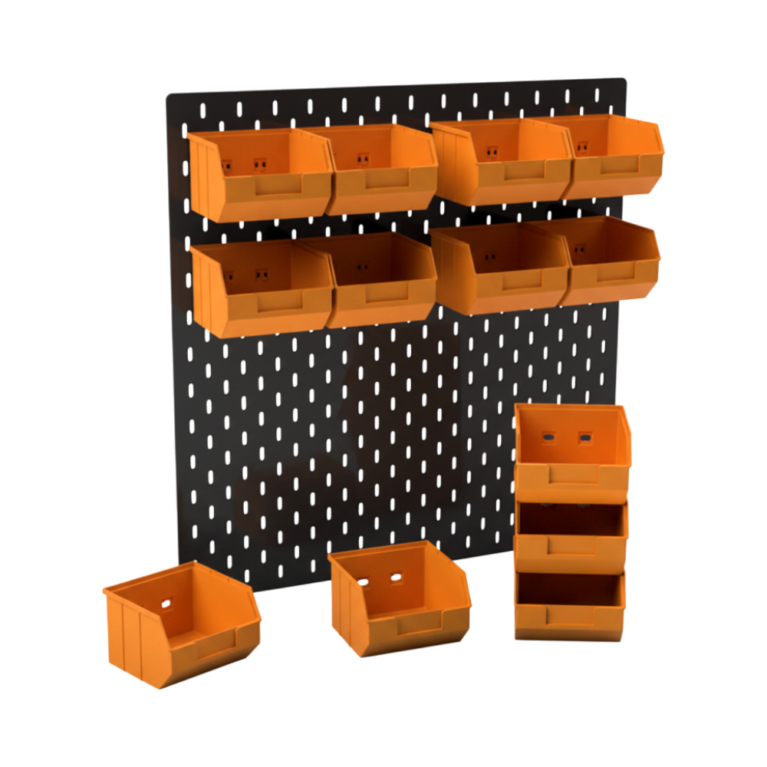
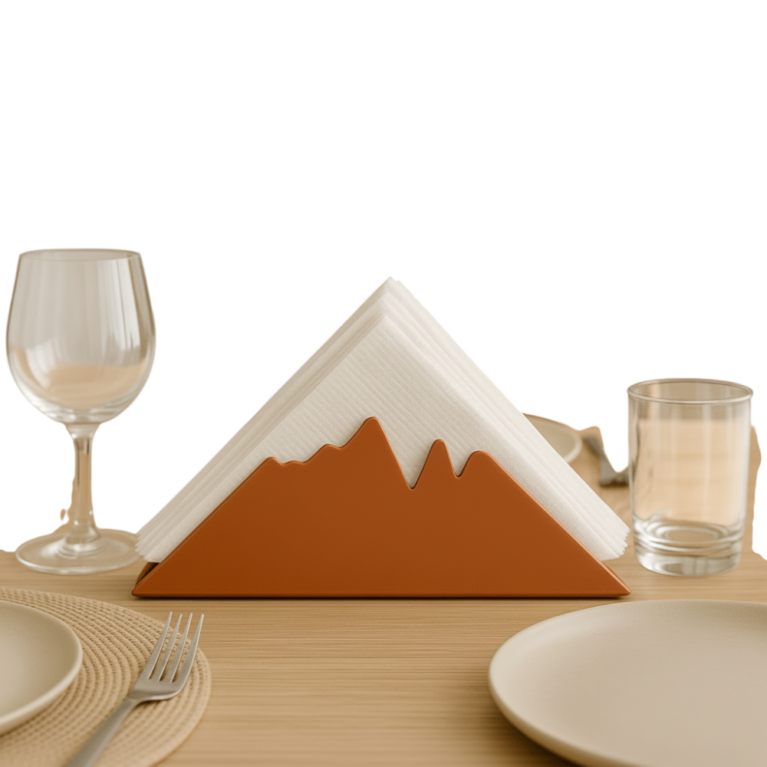
- A small batch with a deadline. Event pieces, branded items, trade-show props, gifts.
- A product idea that needs a physical prototype. Getting from a drawing to something you can put in front of a buyer.
- A size that does not exist. Often the simplest job of all — scaling a design we already make.
What to be realistic about
Printed polymer is not metal. For safety-critical loads, high sustained temperatures or food-contact certification, it is the wrong material and we will say so rather than take the order. We would rather point you at the right process than sell you a part that fails.
Very large single pieces and very high volumes also have limits — at a certain scale, conventional manufacturing genuinely is the better answer, and part of doing this honestly is knowing where that line is.
Where to start
Send a description and a photograph. That is enough for us to tell you whether it is straightforward, whether it needs a design step, and roughly what it costs — usually within a day.
Contact the studio, or read more about what we do. If you would rather see the work first, the catalogue is several hundred pieces that started exactly this way: someone needed something that did not exist.